Skip to content

MIM & Metal Binder Jetting for Medical Devices

DSB Technologies manufactures intricate metal components for demanding medical and dental applications using Metal Injection Molding (MIM) and Metal Binder Jetting. These processes are well suited for surgical instruments, medical implants, diagnostic equipment components, and patient-specific prosthetics with complex geometries, precise dimensional needs, consistent production, and scalable manufacturing.


Grounded in extensive powder metallurgy and sintering expertise, DSB helps manufacturers refine difficult component designs, evaluate material and process requirements, and establish a reliable path from development to production.

REQUEST A QUOTE

Why Medical Customers Partner with DSB

Medical component designs can entail complex geometries, dimensional precision, repeatable manufacturing, and carefully controlled material properties, all at a micro-scale. DSB Technologies supports these requirements through:

  • Tight dimensional tolerances
  • Complex geometries
  • High dimensional stability
  • Production of micro components (capability for less than 1 gram)
  • Strong, biocompatible materials
  • High volume, highly repeatable production
  • Near-full-density MIM components
  • Reduced secondary machining operations
  • Part consolidation
  • High-volume production using MIM
IMG_3917 (1)

Medical device manufacturing pieces
medical manufacturing
medical device manufacturing pieces
dental manufactured pieces

Typical Applications & Components

DSB's MIM and Metal Binder Jetting capabilities support the creation of various metal components used in medical and dental applications, spanning:

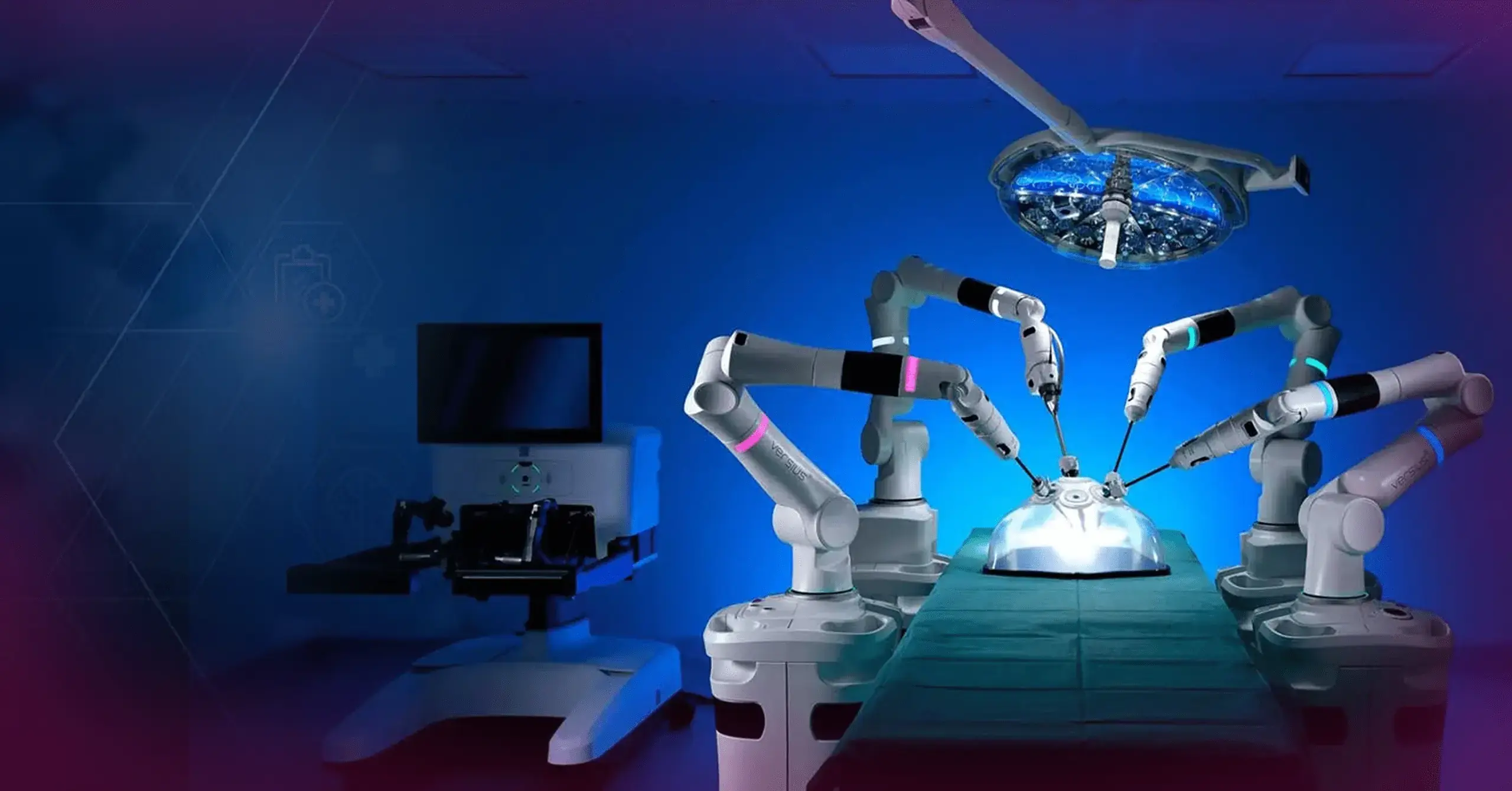
  • Surgical instrument components - Graspers and jaws, end-effectors, forceps, clamps, robotic surgery components, endoscopy, laparoscopy
  • Medical implant components - orthopedic trauma plates, adaptors, anchors, bone screws
  • Diagnostic equipment components - Biopsy, MRI and CT scanning parts, medical-grade pump and compressor components 
  • Dental & Orthodontics – Brackets, implantables, dental tools/instruments, buccal tubes
  • Hearing aid components – Chassis, housings, implantables 
  • Patient-specific prosthetics - Wear-critical parts for joint replacements, articulating structural components

Manufacturing Capabilities for Medical Components

Medical device manufacturers need production processes that balance complex component geometries, material performance, dimensional accuracy, and consistent manufacturing.

DSB Technologies combines advanced powder metal manufacturing, metallurgy, and engineering expertise to help medical and dental manufacturers evaluate the right production approach for demanding metal components.

Metal Injection Molding:

Manufacture complex medical components with precision, repeatability, and scalability.
Metal injection molding enables the production of intricate medical and surgical instrument components with complex features that can be difficult or costly to machine. MIM offers opportunities to consolidate features, reduce secondary operations, and support repeatable production for medical device applications.


Micro-MIM:

Produces small, complex metal components with tight tolerances using micro metal injection molding technology, ideal for precision applications.

Explore Metal Injection Molding

Explore complex medical component designs beyond conventional manufacturing limitations.
Metal binder jetting offers design flexibility for medical and dental components with intricate geometries, internal features, or application-specific designs. Combined with DSB's metallurgy and sintering expertise, the technology provides opportunities to evaluate complex designs, including patient-specific concepts, and their potential path toward production.

Explore Metal Binder Jetting

Powder Metallurgy (PM):

Produces durable, high-quality metal components through powder compaction and sintering, offering cost-effective solutions for complex parts.


Conventional and High-Temp Sintering: 

Develops the material properties and dimensional consistency that medical applications demand.

Sintering plays a critical role in developing the density, strength, and metallurgical characteristics of powder metal medical components. DSB's sintering expertise helps manufacturers evaluate processing conditions to support application-specific material requirements and consistent production.

Explore Sintering Capabilities

Manufactures porous metal filters designed for reliable filtration, controlled flow, and consistent performance in demanding applications. 

Explore Porous Filter Production Capabilities

Optimize medical and dental component designs, evaluate material performance, and improve manufacturability before production. Early assessment of material options, corrosion resistance, dimensional accuracy, and manufacturing feasibility helps identify potential challenges and supports a smoother transition from concept to full-scale production.

Explore Material Development & Prototyping

CNC Machining:

Delivers precision machining services to achieve tight tolerances, complex geometries, and consistent quality for custom metal components.

Automated Custom Work Cells:

Develops customized automated manufacturing solutions to improve production efficiency, consistency, and quality.

Inspection & Assembly:

Provides comprehensive inspection and assembly services to ensure components meet quality requirements and are ready for their intended applications.

Explore Your Options


Materials & Performance Requirements

Medical and dental components require careful material selection to meet application-specific requirements for mechanical strength, biocompatibility, corrosion resistance, dimensional accuracy, and manufacturing consistency.

DSB engineers and metallurgists work with medical device manufacturers to evaluate materials based on component function, operating conditions, and manufacturing requirements. From established stainless steel and alloy grades to custom material development, we help identify materials that balance performance, complex geometries, and production feasibility.


Materials available for medical and dental component applications include:

300 Series Stainless Steel

Corrosion Resistance & Material Versatility

4140 Alloy Steel

Mechanical Strength & Toughness

316L Stainless Steel

Corrosion Resistance & Material Performance

400 Series Stainless Steel

Strength, Hardness & Wear Resistance

17-4 PH Stainless Steel

High Strength & Corrosion Resistance

Titanium - Grade 5 (Ti-6Al-4V)

High Strength-to-Weight Ratio & Biocompatibility

Is My Product Right for MIM?

Customers typically work with DSB on parts that meet some of the following criteria:

  • Small, complex components that are difficult to machine efficiently – those typically requiring more than 3-4 machining steps, or intricate features that otherwise present a challenge

  • High-volume metal components requiring tight process controls, repeatability, and detail

  • Expensive materials that account for a high scrap cost when machining, such as Titanium

  • Biocompatible and corrosion-resistant metals

  • Designs that have an opportunity for consolidation of multiple machined components into a single piece


robotic-surgery

The Right Material Starts With the Application

Material selection for medical and dental components depends on the intended application, mechanical requirements, environmental exposure, and manufacturing process.
DSB combines metallurgical expertise with advanced powder metal manufacturing technologies to help medical device engineers evaluate material options and production approaches for challenging metal components.